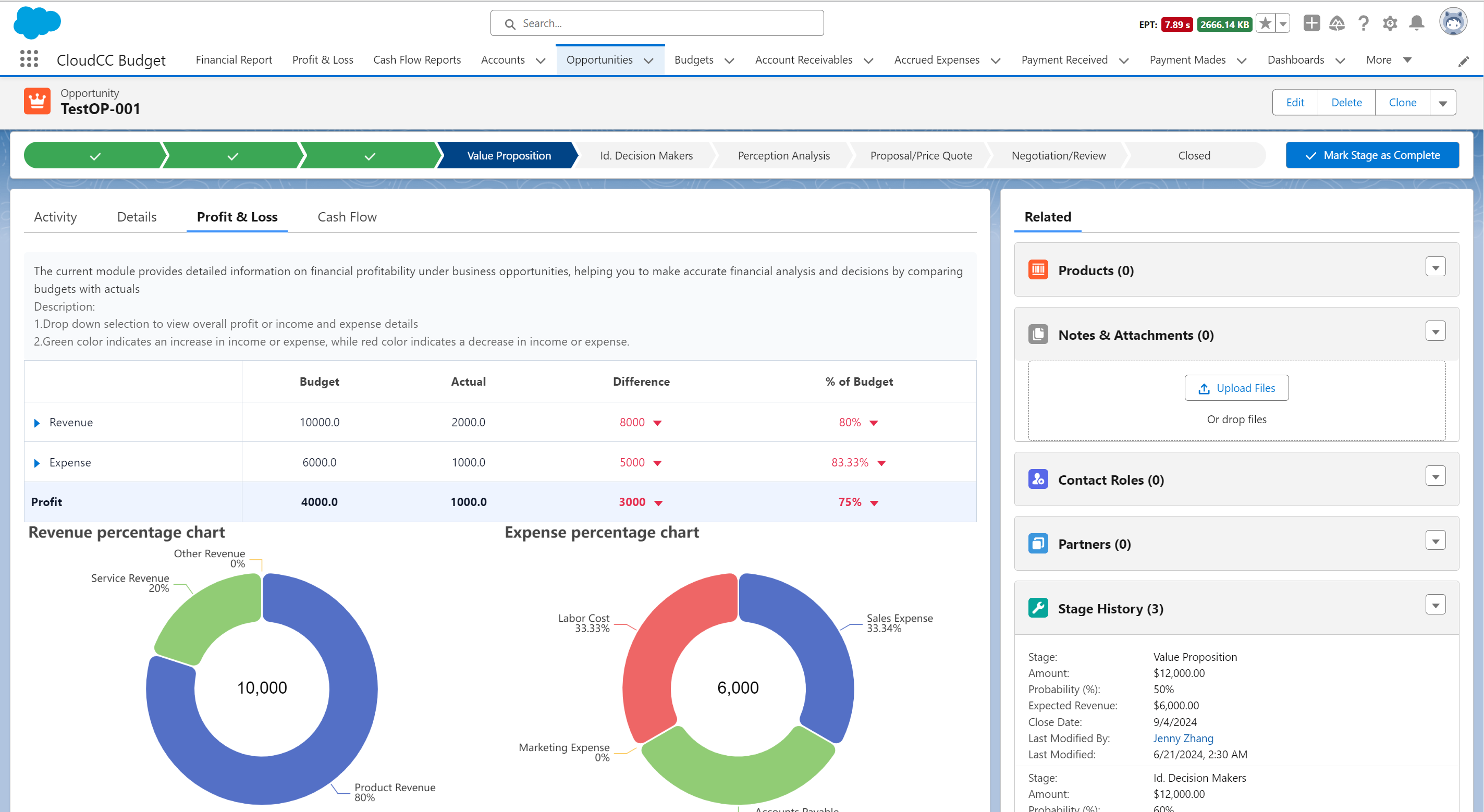

Revenue Recognition and Billing are the twin engines powering the financial operations of any professional services organization. While often conflated, these modules solve fundamentally different problems:
Billing = Cash Flow Management (When do we invoice clients?)
Revenue Recognition = Financial Compliance (When do we earn the revenue?)
Modern PSA platforms (like Certinia, Salesforce RCA, and Stripe Billing) integrate these functions to automate the quote-to-cash lifecycle while ensuring compliance with ASC 606/IFRS 15. Here’s how they work:
1. Revenue Recognition: The Compliance Backbone
Purpose: To accurately record revenue when earned (not when cash is received), per accounting standards.
Key Capabilities:
Multi-Method Support:
Time-Based (e.g., monthly subscriptions)
Milestone-Based (e.g., project phases)
Percent Complete (e.g., fixed-fee projects)
Automated ASC 606 Compliance: Applies the 5-step model:

Dynamic Adjustments: Automatically caps revenue at 100% if logged hours exceed estimates to prevent over-recognition.
Real-World Impact: A $120K/year subscription can’t be recognized upfront. PSA tools split it into $10K/month via revenue schedules, aligning with service delivery.
2. Billing: The Cash Flow Accelerator
Purpose: To generate invoices based on contractual terms and collect payments.
Key Capabilities:
Flexible Triggering:
Pre-Billing (e.g., retainers)
Milestone-Based (e.g., phase completion)
Recurring (e.g., SaaS subscriptions)
Multi-Currency & Tax Handling: Supports global invoices with localized compliance.
Payment Integration: Syncs with gateways (Stripe, PayPal) for automated collections.
Real-World Impact: A consulting firm bills $50K upon milestone approval → Accounts Receivable spikes instantly, improving cash visibility.
3. The Critical Synergy: Why They Need Each Other
While distinct, these modules interoperate to prevent financial blind spots:
Billing ≠ Revenue Recognition:
A $100K prepayment is billed upfront → creates Contract Liability
Revenue is recognized monthly as services are delivered → converts liability to Revenue
Risk Mitigation:
Over-billing? Revenue Recognition caps at 100% of contract value.
Under-delivery? Billing halts until milestones are validated.
Example: A development project logs 120% of planned hours → Revenue Recognition caps revenue at 100%, while Billing only invoices approved milestones.
4. PSA Superpowers: Automation & Intelligence
Leading platforms (e.g., Salesforce RCA, Stripe) unify these modules with:
Real-Time Revenue Forecasting: Projects cash flow using scheduled vs. actual revenue data.
Audit Trails: Every journal entry traces back to source contracts.
AI-Driven Adjustments: Auto-recalculates revenue for subscription changes (upgrades/downgrades).
5. Implementation Best Practices
Map Billing Triggers to Performance Obligations: Tie invoice events to ASC 606-defined obligations (e.g., "Software delivery = Milestone 1").
Use Custom Fields for Complex Pricing: Override default rates for discounted/usage-based contracts.
Monitor Key Metrics:
Revenue Leakage (% unbilled recognized revenue)
Billing Cycle Time (avg. days to invoice)
Billing fuels your cash flow; Revenue Recognition safeguards your compliance. Together in a PSA, they:
✅ Automate 80% of manual accounting tasks
✅ Reduce revenue leakage by 15–30%
✅ Accelerate month-end close from days to hours
For scaling businesses, this isn’t just efficiency—it’s strategic resilience.